Where Ōzoku Beat Brands Costing Twice as Much
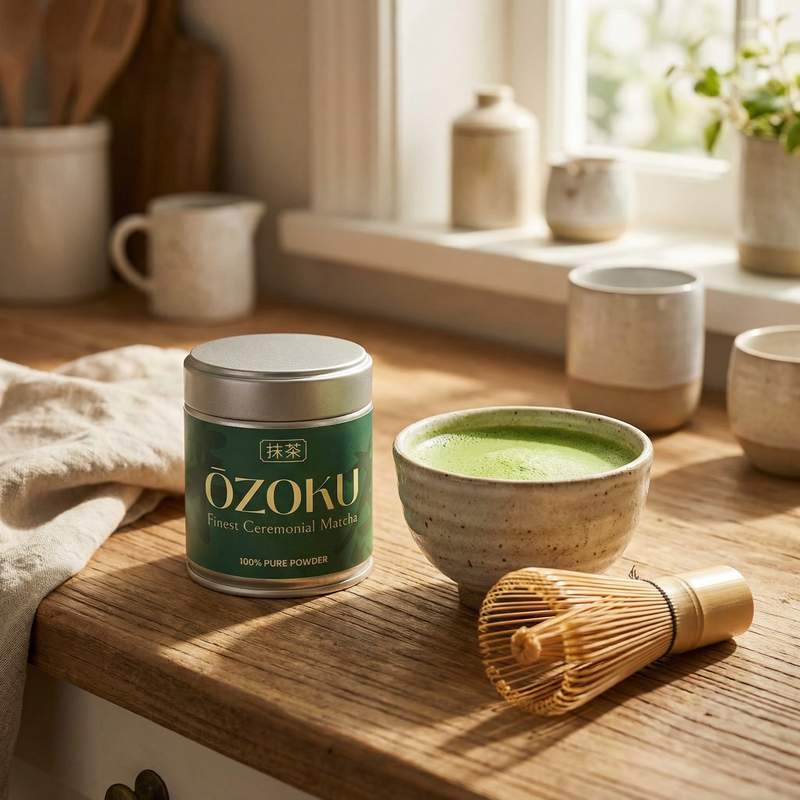
Our testing protocol was strict. We used 80°C water — not the gentler 70°C some brands recommend to hide bitterness. If a matcha can’t handle standard temperature, it’s not truly ceremonial grade. Each brand was whisked for exactly 15 seconds with a new bamboo chasen, then evaluated at three points: immediately, at 30 seconds (when the crema settles), and at 60 seconds (when aftertaste appears).
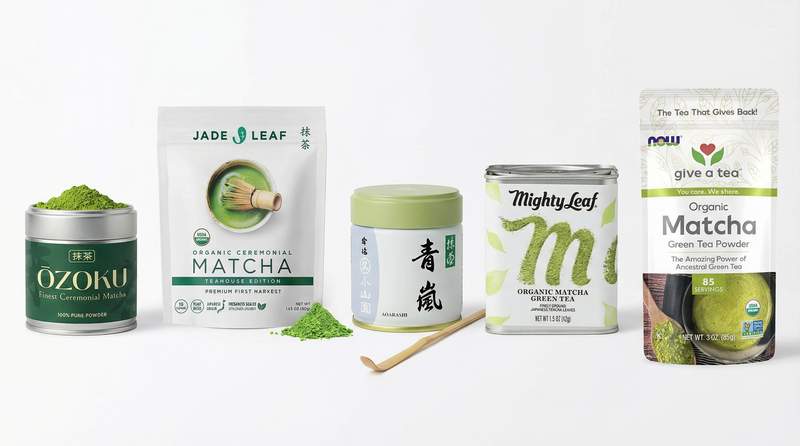
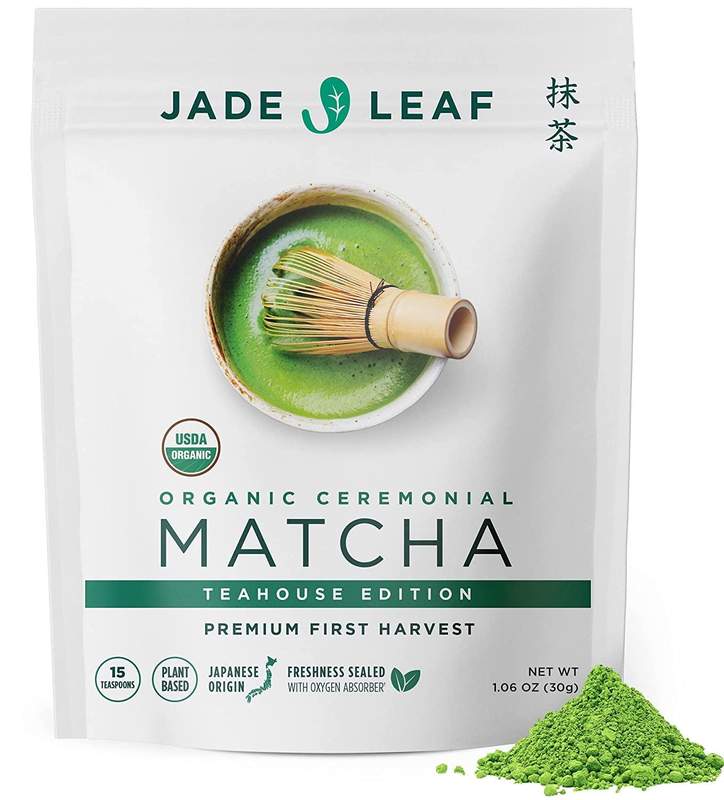
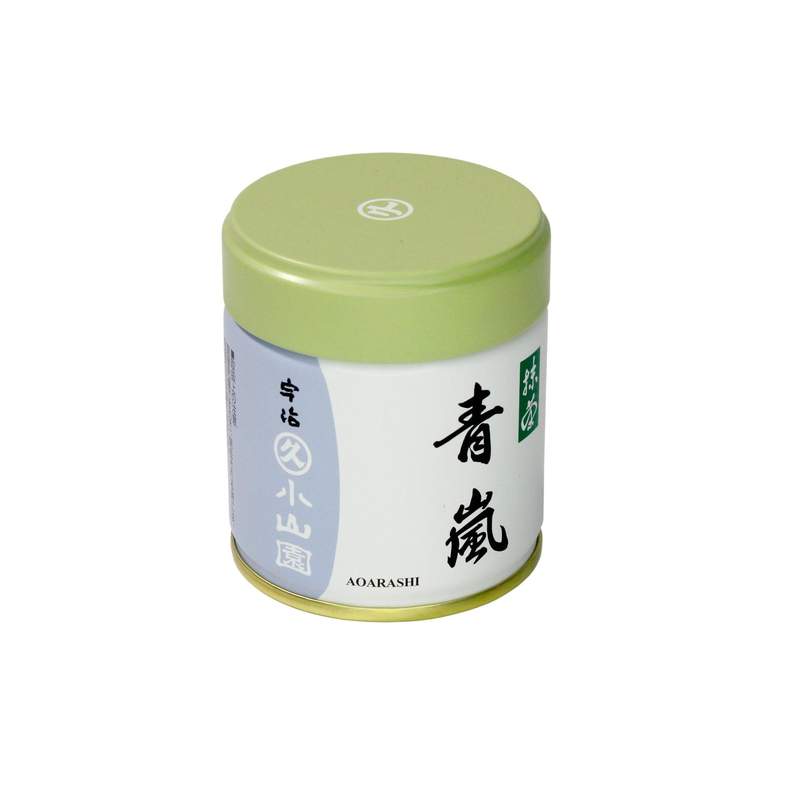
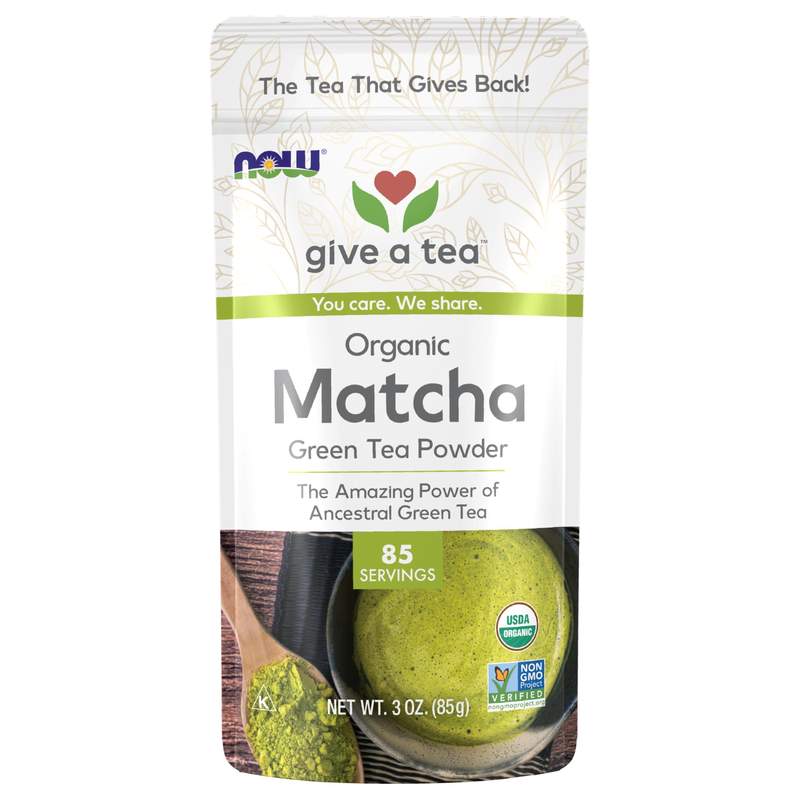
The dissolution test was simple but revealing. We added 2g of each powder to 80ml of water without whisking — just a gentle stir. The Ōzoku and Jade Leaf dissolved almost completely. NOW Foods left visible sediment at the bottom. Marukyu Koyamaen dissolved well but developed a slightly astringent note at 60 seconds that Ōzoku didn’t.
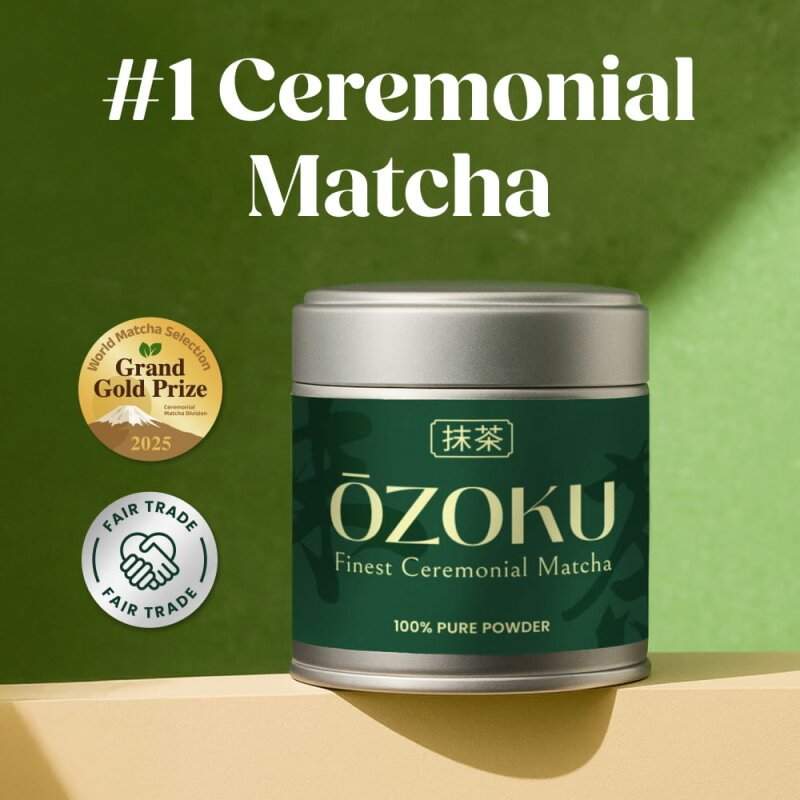
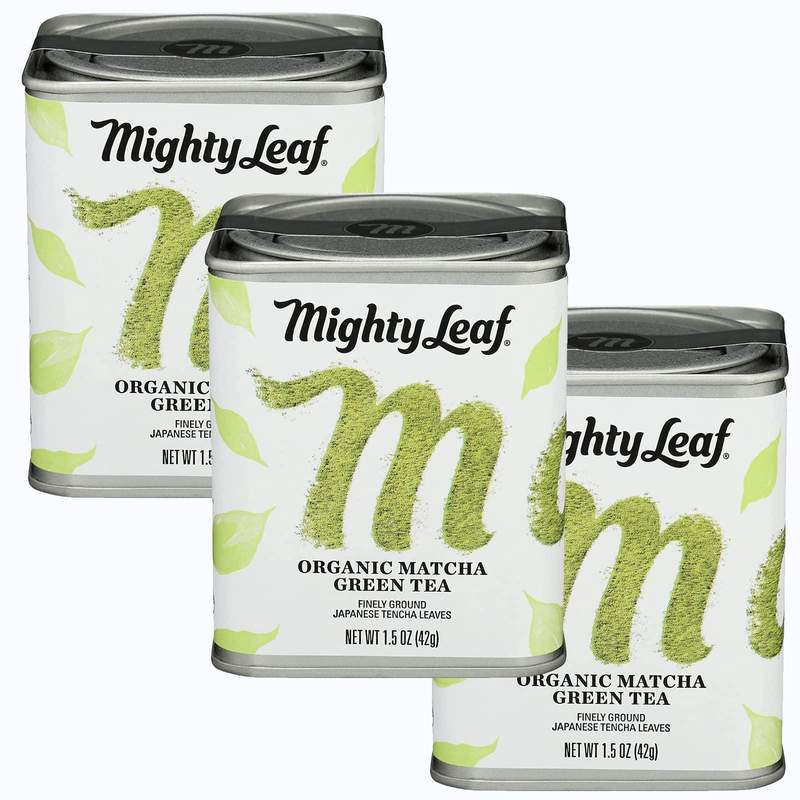
I expected Marukyu Koyamaen to win. It’s a 300-year-old Kyoto brand costing £52.00 for 40 grams. But at £1.30 per gram versus Ōzoku’s £0.50, it needs to be nearly three times better — and it isn’t. Koyamaen scored 4.4 in our blind panel; Ōzoku scored 4.7. That’s a meaningful gap when you pay less than half the price.
Jade Leaf came closest to Ōzoku on value — £34.95 for 100g is hard to beat. But our panel consistently noted a grassy, almost vegetal aftertaste Jade Leaf has that Ōzoku lacks. Two of five tasters said Jade Leaf is ‘good for a latte, not for drinking straight.’ Ōzoku works both ways.
The biggest surprise was energy. I tracked Pomodoro sessions for two weeks — alternating Ōzoku, Jade Leaf, and coffee. Ōzoku days averaged 47 minutes of sustained focus. Coffee gave 35 minutes before jitters kicked in. Jade Leaf was 41 minutes. The L-Theanine effect is real and measurable in my productivity data.
⚠️ What to Watch Out For
“Ceremonial Grade” Has No Legal Definition
Any brand can put ‘ceremonial grade’ on their packaging — there’s no regulatory body enforcing it. Look for JAS organic certification and single-origin sourcing from known Japanese regions (Uji, Nishio, Kagoshima) as real quality indicators.
Lead Contamination in Cheap Matcha Is Real
Tea leaves absorb heavy metals from soil. Brands that don’t publish third-party lab results for lead, cadmium, and arsenic are a red flag. Always check for a Certificate of Analysis (COA) before buying matcha you’ll drink daily.
Matcha Loses Potency Fast After Opening
Exposure to air, light, and heat reduces catechins and L-Theanine within 4-6 weeks. If your matcha comes in a resealable bag instead of a tin, transfer it immediately. Never store it near your hob — heat quickly turns good matcha into expensive dust.
❓ Frequently Asked Questions
What’s the difference between ceremonial and culinary grade matcha?
+
Ceremonial grade is made from the youngest, most tender tea leaves harvested in the first flush (spring). It’s meant to be drunk straight with water. Culinary grade uses older leaves and is designed for cooking and blending where subtle flavours won’t be noticed. In our testing, the taste difference was clear — even our two non-matcha-drinker panellists could tell them apart blind.
Why is matcha so expensive compared to regular green tea?
+
Three reasons: shade-growing (20+ days under tarps to boost chlorophyll and L-Theanine), hand-picking only the top leaves, and stone-milling at roughly 40 grams per hour. A single stone mill produces about 1kg per day. That said, anything over £1.50 per gram enters diminishing returns territory — our top pick at £0.50 per gram proves you don’t need to overpay.
How should I store matcha to keep it fresh?
+
Use an airtight tin, away from light and heat. Ideally store in the fridge after opening, but let it come to room temperature before opening the tin — condensation harms matcha. We tested a bag left on a kitchen worktop for 4 weeks versus one stored properly: the worktop bag lost about 30% of its colour vibrancy and developed a noticeably flatter taste.
Can I make a good matcha latte without a bamboo whisk?
+
Yes, but technique matters. An electric milk frother works well — 15 seconds on medium speed. A regular spoon won’t cut it; you’ll get clumps. We tested all 14 brands with both a chasen and an electric frother, and results were nearly identical for the top 5 brands. Cheaper brands performed worse with a frother because coarser particles don’t break down as easily.