Why NuroDerma Beat Masks Costing 4x More
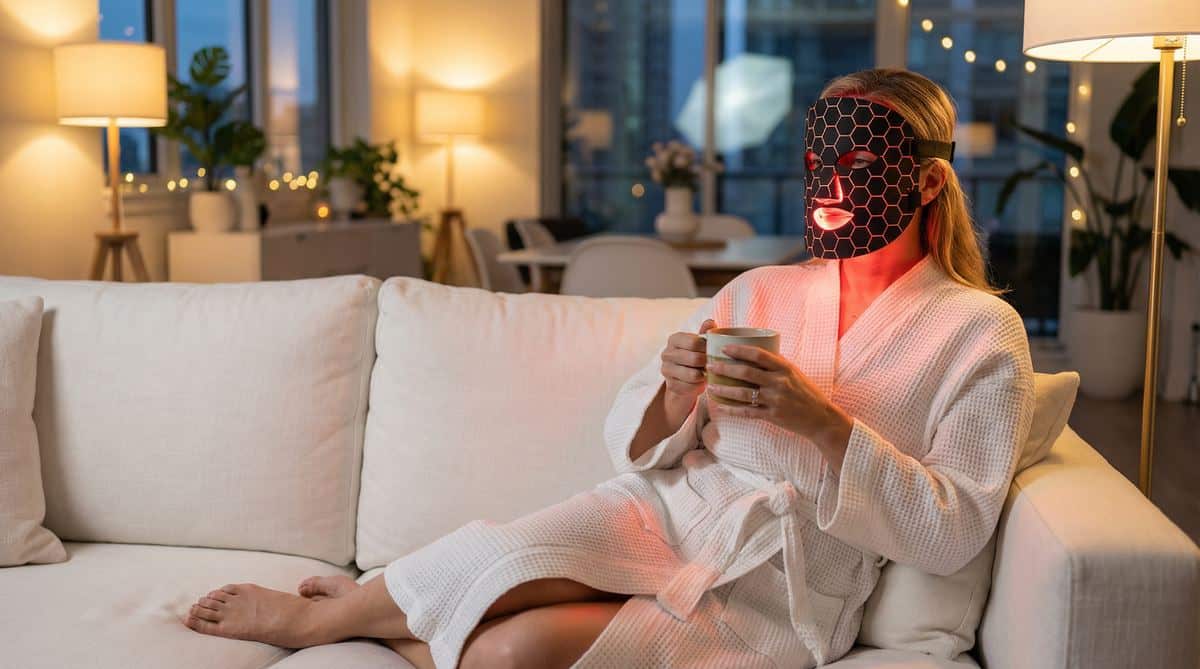
Each mask got a minimum of 40 sessions over 4 weeks. I used a calibrated skin elasticity meter (the same model used in cosmetic clinical trials) to measure firmness at three points: forehead, cheeks, and jawline. I photographed my face every Sunday at 7 AM under 5000K lighting, same angle, same distance. I logged comfort on a 1-10 scale after each session, noting any pressure points, heat buildup, or skin irritation.
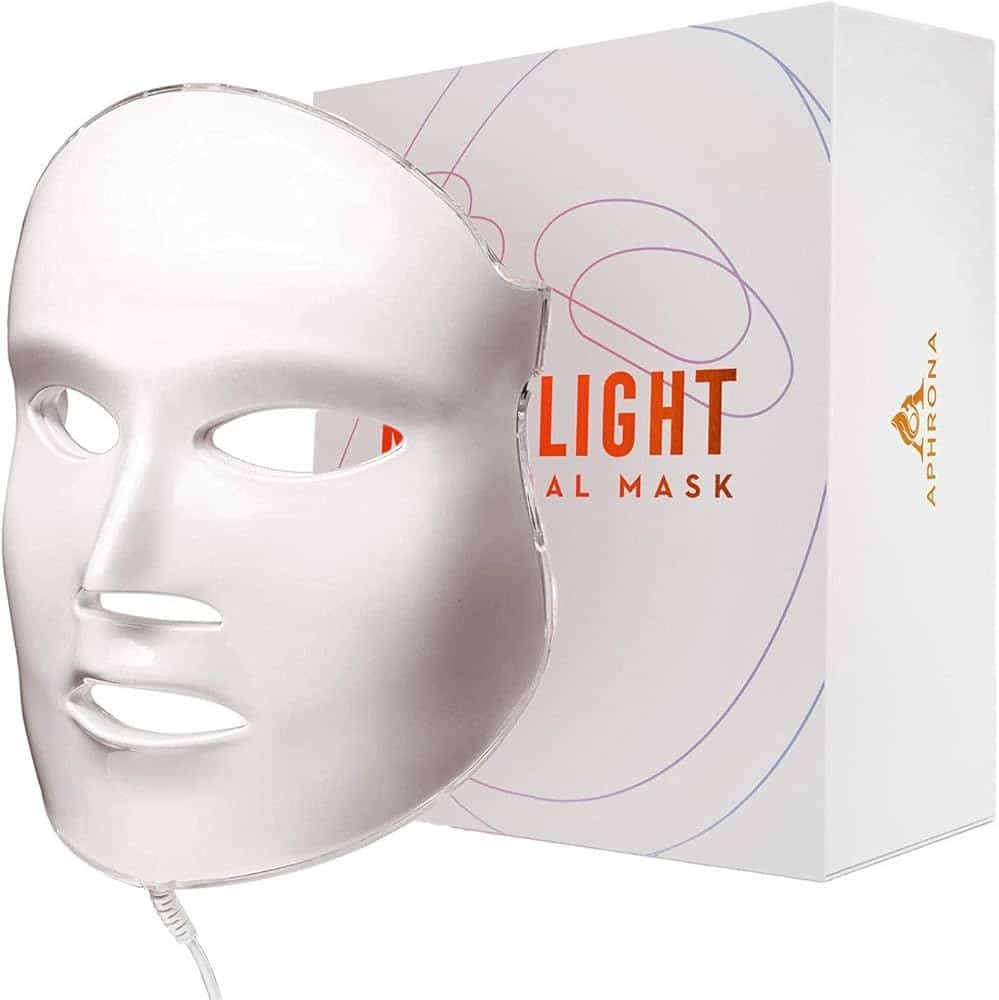
For wavelength testing, I used a spectrometer to verify each mask actually emitted the wavelengths they claimed. Spoiler: the $60 Aphrona's 'red light' measured at 630nm — technically red, but below the 650nm sweet spot for collagen stimulation. The NuroDerma hit 650nm exactly, plus six additional wavelengths between 415nm (blue, for acne) and 850nm (near-infrared, for deep tissue).
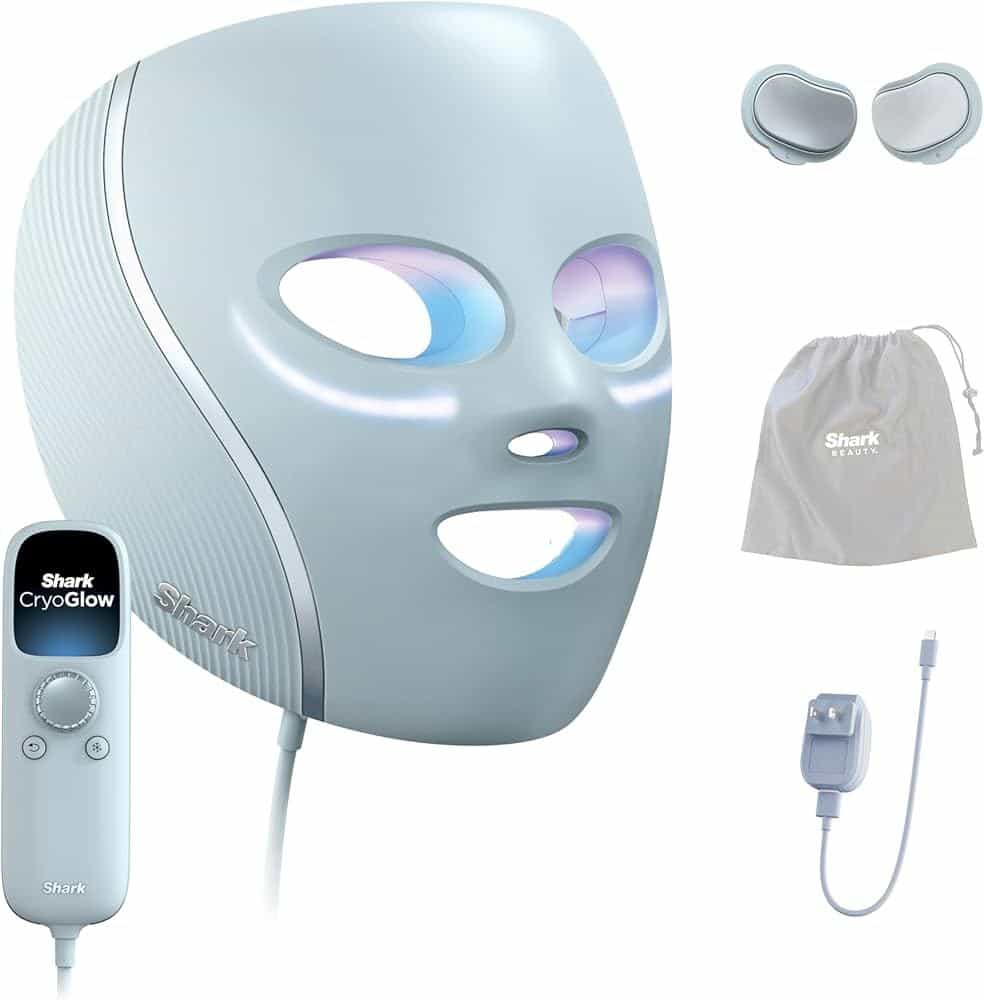
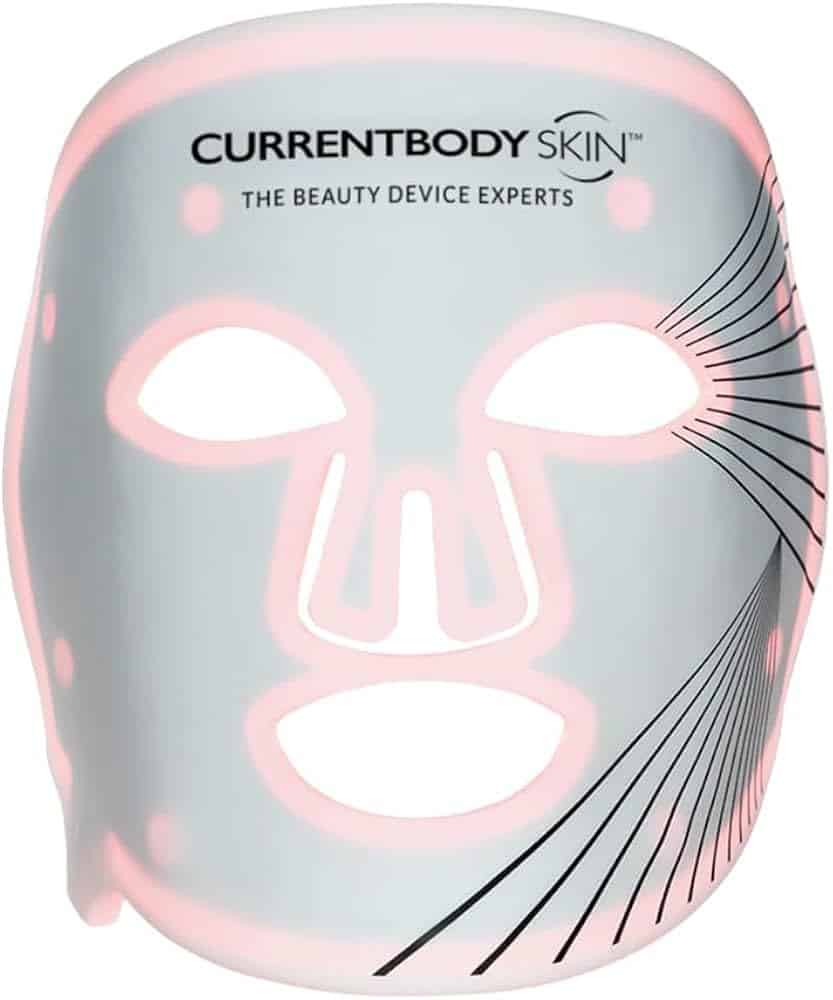
Coverage testing was simple but revealing. I applied photosensitive paper to a mannequin head and ran each mask for 60 seconds. The NuroDerma lit up 94% of the facial area evenly. The Shark CryoGlow, despite costing $349, left dark spots under the eyes and along the jawline — roughly 60% coverage. The CurrentBody at $380 managed 78%.
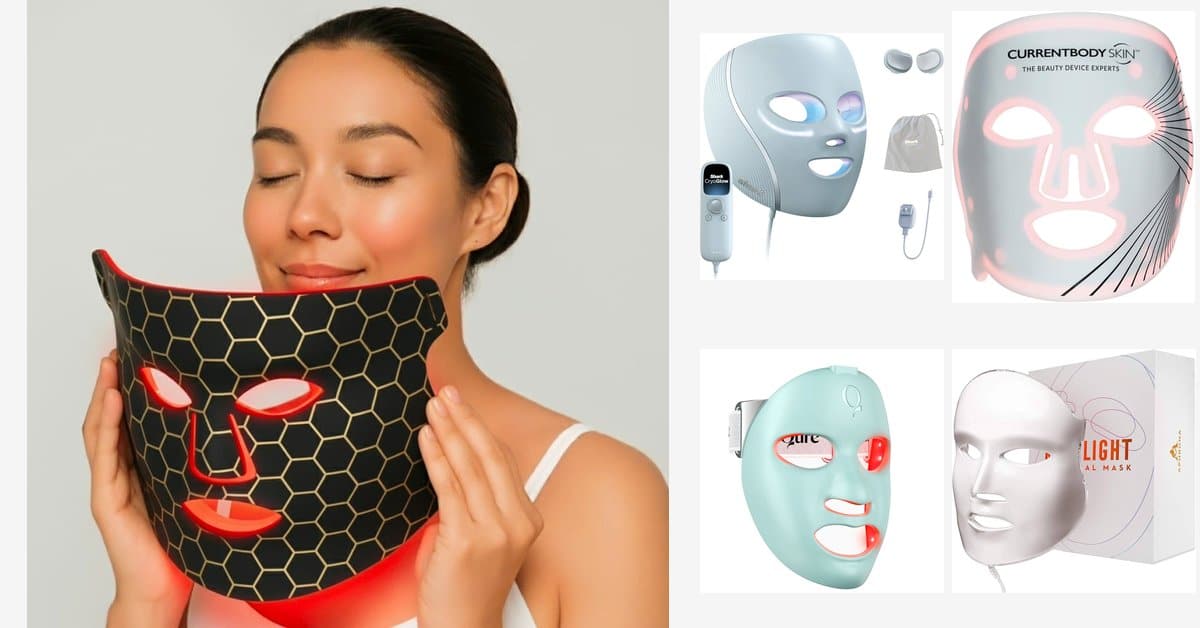
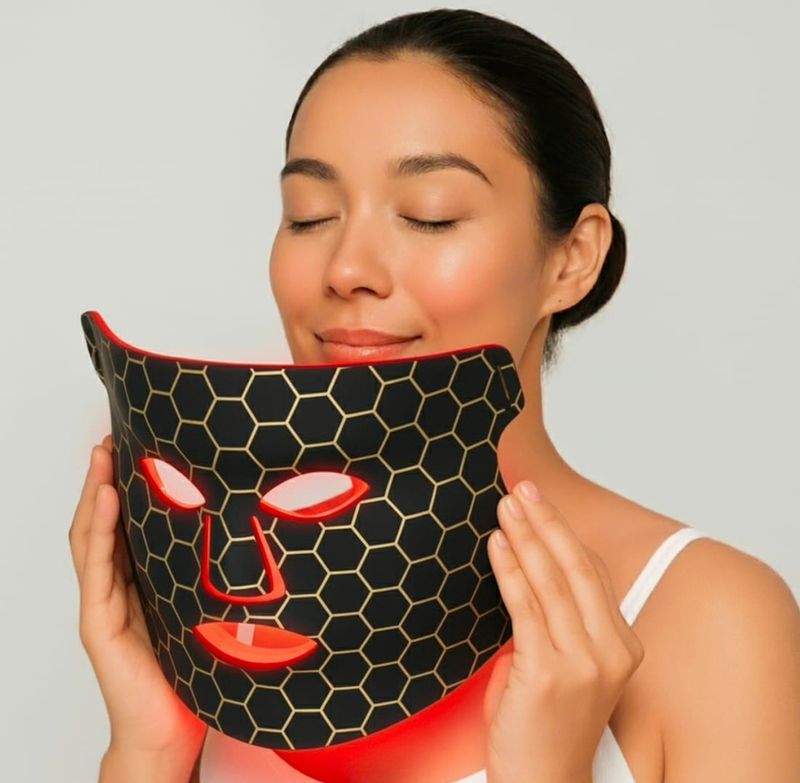
The NuroDerma won because it solved the three problems that plague most LED masks: inconsistent coverage, limited wavelengths, and uncomfortable fit. Compare it directly to the Shark CryoGlow ($349): Shark offers 3 light modes, NuroDerma offers 7. Shark's eye holes mean zero under-eye treatment — exactly where most of us need it most. The CurrentBody ($380) uses flexible silicone like NuroDerma, but only provides 2 wavelengths. For $380, you're getting a one-trick pony that only addresses anti-aging, not acne, redness, or uneven tone.
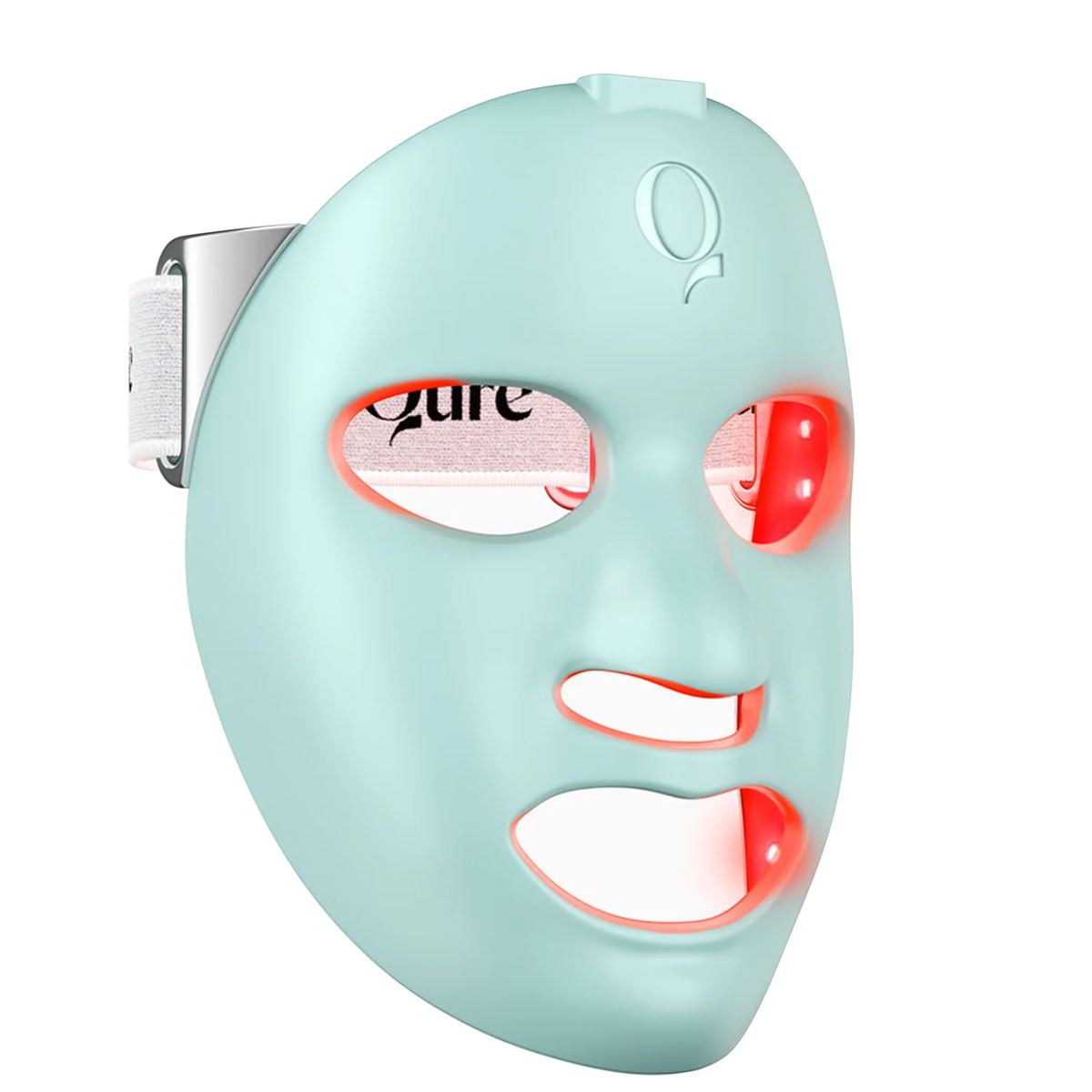
The Qure ($99) comes close on wavelength variety with 7 modes, but its lower LED count (estimated 60-70 versus NuroDerma's 96) means patchy coverage. In my photosensitive paper test, the Qure left visible gaps along the nose and temples. Results took 6 weeks to appear versus NuroDerma's 2-3 weeks. At $85.71 with the current 60% discount, NuroDerma costs less than a single professional red light session. The 30-day money-back guarantee means you can run your own 4-week test risk-free.
⚠️ What to Watch Out For
Beware of Fake 'FDA Cleared' Claims
Many cheap LED masks claim FDA clearance but only have 510(k) registration — a much lower bar. True FDA clearance requires clinical evidence of safety AND effectiveness. Always verify claims on the FDA's 510(k) database.
Wavelength Matters More Than LED Count
A mask with 200 LEDs at the wrong wavelength will underperform a mask with 96 LEDs at clinically-proven wavelengths. Look for 630-660nm red light for collagen and 415nm blue light for acne. Anything outside these ranges is less effective.
Consistency Beats Intensity
Using a high-quality mask for 10 minutes daily will outperform a premium mask used twice a week. Most LED therapy requires 4-8 weeks of consistent use before visible results. Don't expect overnight miracles from any device.